
Strengthening frontline care for communities affected by displacement and rising health needs.
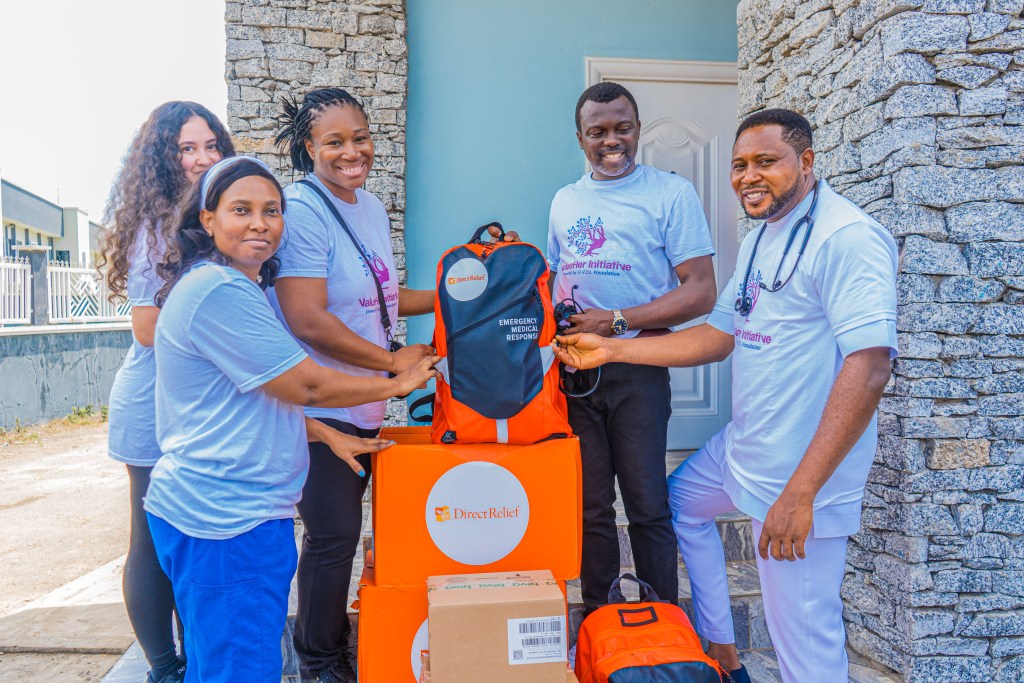
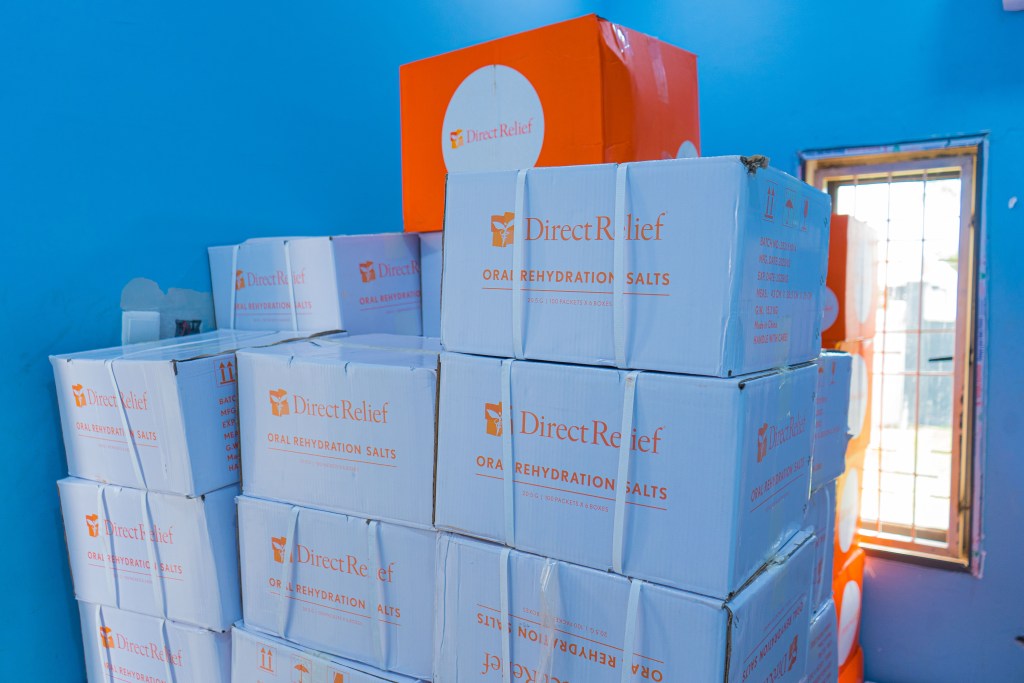
U-VOL Foundation has delivered a major emergency medical shipment to RCN Medical Center in Benue State, Nigeria, through our global humanitarian partner, Direct Relief. The consignment, valued at over $22,000 and weighing more than 1,000 kg, includes emergency medical backpacks, essential medicines, oral rehydration salts (ORS), and critical consumables that will directly support clinicians serving conflict-affected communities and internally displaced persons (IDPs).
This donation is part of U-VOL Foundation’s ongoing commitment to improving access to quality, life-saving healthcare in underserved and crisis-impacted communities.
A Humanitarian Crisis Affecting Health Access in North Central Nigeria
North Central Nigeria is currently experiencing a prolonged humanitarian emergency. Due to ongoing conflict and instability, hundreds of thousands of families have been displaced from their homes, with many seeking refuge in formal and informal IDP camps. Humanitarian assessments estimate that over 400,000 internally displaced persons reside in Benue State alone, while other reports place the figure at more than 500,000, depending on assessment methods and timeframes.
This large-scale displacement has placed immense pressure on the region’s already limited healthcare infrastructure. Local facilities must now serve both host communities and displaced populations while navigating:
- Overcrowded clinics
- Limited medical supplies
- Workforce shortages
- Rising disease burdens
- Disruptions to maternal, newborn, and chronic care services
Conditions within many IDP camps—including restricted access to clean water, inadequate sanitation, overcrowded shelters, and inconsistent access to clinical services—further increase risks for:
- Infectious disease outbreaks
- Dehydration and diarrheal illness
- Respiratory infections
- Pediatric illness
- Maternal and neonatal complications
- Malnutrition among vulnerable groups
Strengthening Emergency Response Through Direct Relief’s Medical Backpacks
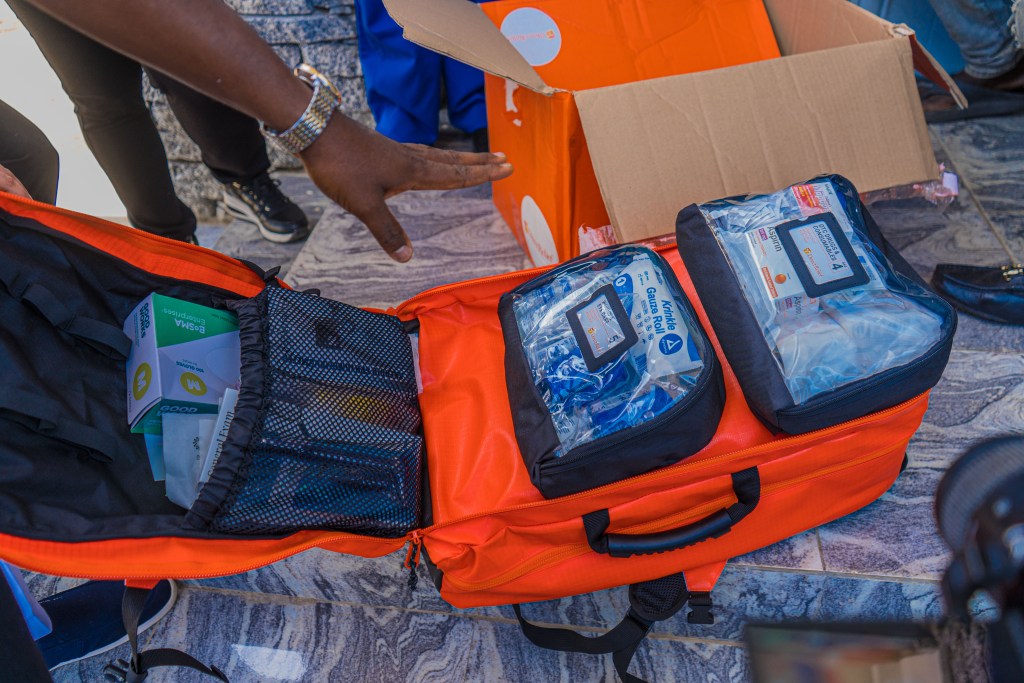
The Direct Relief shipment includes fully equipped Emergency Medical Backpacks, designed specifically for frontline healthcare workers responding to urgent medical needs in low-resource and crisis settings.
Each backpack contains:
- Trauma supplies for bleeding control and wound care
- Essential medications, including antibiotics, analgesics, and respiratory treatments
- First aid and triage tools for rapid assessment
- Personal protective equipment (PPE) for infection control
- Emergency obstetric and newborn care supplies
- Oral rehydration salts (ORS)
- Diagnostic tools such as thermometers and blood pressure cuffs
- General clinic consumables including bandages, syringes, sterile supplies, and gloves
These resources are particularly impactful in remote and hard to reach displacement settings where preventable illnesses—such as malaria, diarrheal disease, respiratory infections, and trauma—are among the leading causes of morbidity and mortality.
A Lifeline for IDP Communities
RCN Medical Center plays a vital role in supporting surrounding communities, including providing free primary care and antenatal services to IDP camps in Greater Makurdi. With thousands of displaced families facing limited access to care, this donation greatly expands the hospital’s capacity to respond to infection control needs, emergency medical cases, pediatric illnesses, obstetric emergencies, acute dehydration and preventable diseases, plus trauma and injury.
A Partnership That Saves Lives
U-VOL Foundation extends deep gratitude to Direct Relief for championing health equity and providing the life-saving resources that make this work possible. These emergency medical supplies represent critical support for clinicians and displaced families across North Central Nigeria, expanding access to essential care in communities where the need remains urgent.
Together, we remain committed to ensuring that frontline health workers and vulnerable populations receive the tools, medicines, and support they need to survive, recover, and thrive—no matter the challenges facing their communities.
Section Title

Emergency Relief Arrives in North Central Nigeria: U-VOL Foundation & Direct Relief Deliver Life-Saving Medicines & Medical Supplies
Byuvoladmin
November 17, 2025
Emergency Relief and Supplies
Strengthening frontline care for communities affected by displacement and rising health needs. U-VOL Foundation has delivered a major emergency medical shipment to RCN Medical Center in Benue State…
Read More
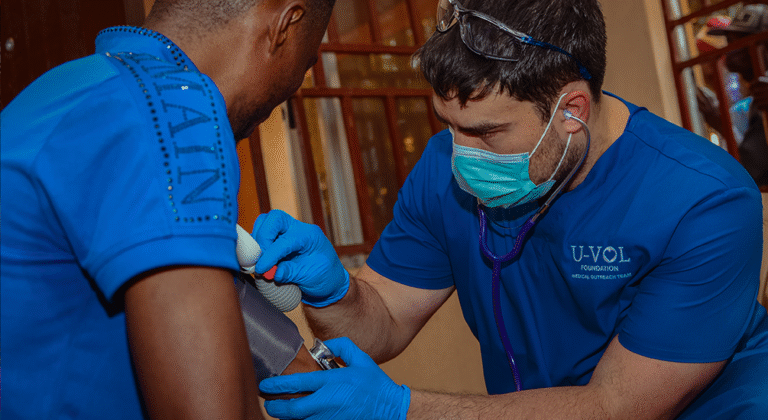
What It Takes to Launch a Medical Mission: A Behind-the-Scenes Look at Global Health Outreach
Byuvoladmin
July 17, 2025
Medical Missions
At U-VOL Foundation, an international medical mission is never just a week or two of service. Rather it is the product of months of planning, partnership, and a deep commitment to communities facing…
Read More
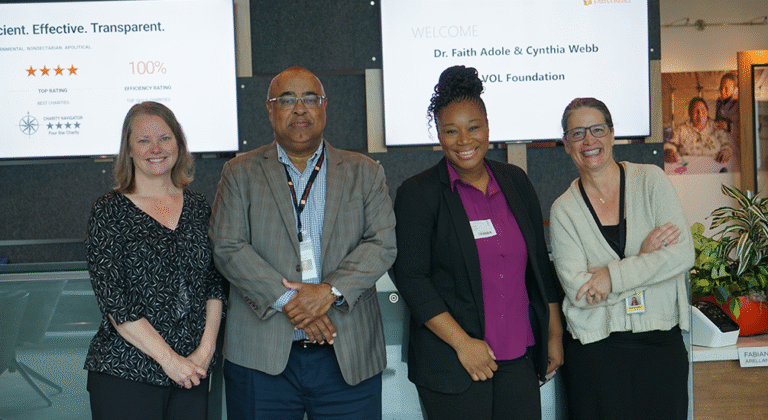
Strengthening Global Health: U-VOL Foundation Deepens Partnership with Direct Relief
Byuvoladmin
July 14, 2025
Uncategorized
Last week, U-VOL Foundation had the privilege of visiting Direct Relief’s headquarters, marking a pivotal step in our shared mission to advance maternal health, equitable healthcare delivery…
Read More

Breaking the Cycle of Period Poverty: The HerPad Project in Uganda
Byuvoladmin
July 14, 2025
ValueHer
Across rural Uganda, menstruation is still a major barrier to education, opportunity, and dignity. Many girls and women lack access to affordable, sustainable menstrual hygiene products, leading to…
Read More
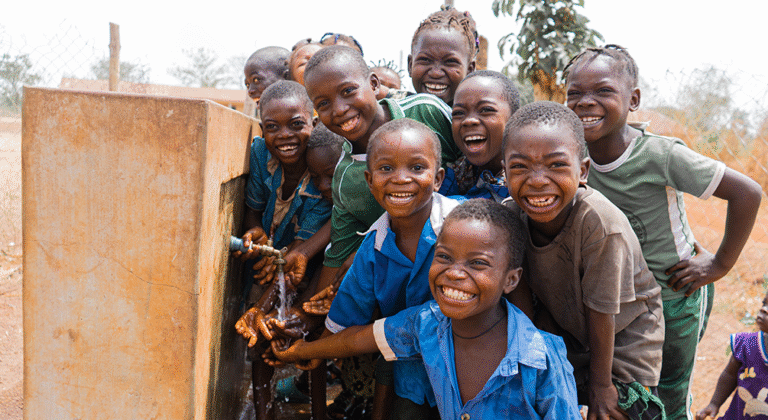
Clean Water, Lasting Impact: 3 Years Later in Ojegbe Village, North Central Nigeria
Byuvoladmin
May 1, 2025
Clean Water
Three years ago, U-VOL Foundation completed a solar-powered clean water borehole in Ojegbe Village, a rural community in North Central Nigeria. Today, the water is still flowing—proof that sustainable…
Read More